The Electrification of Execution
Bikes Were Great.
Then Someone Added a Motor.
For decades, execution tools digitized what leaders were already doing by hand — spreadsheets became software, but the work stayed the same. Then AI arrived. Not as a faster pedal, but as an entirely new source of power.
Just as electrification transformed cycling — opening up longer rides, steeper climbs, and new riding partners — AI is transforming how leadership teams execute strategy. The question isn’t whether to electrify. It’s whether your bike was built for it.
What the Motor Unlocks
New Rides That Weren’t Possible Before
An e-bike doesn’t just make the same ride easier. It opens doors that were closed — longer distances, harder terrain, and the ability to ride alongside people who were previously out of reach.
Longer Rides
Deeper Strategic Work
AI handles the operational grind — scorecard rollups, agenda prep, follow-up tracking — so leaders sustain focus on what actually moves the business. No more burning out on admin before the real work starts.
Harder Terrain
Challenges Previously Off-Limits
Real-time variance detection, pattern recognition across quarters, and scorecard intelligence that manual processes could never deliver. Territory your team couldn’t reach before is now within range.
Stronger Riding Partners
Capabilities That Were Inaccessible
Your 15-person leadership team operates at the level of organizations three times your size. Agents multiply your capacity — not by replacing judgment, but by removing the bottlenecks around it.
Two Approaches to Electrification
Bolt It On, or Build It In?
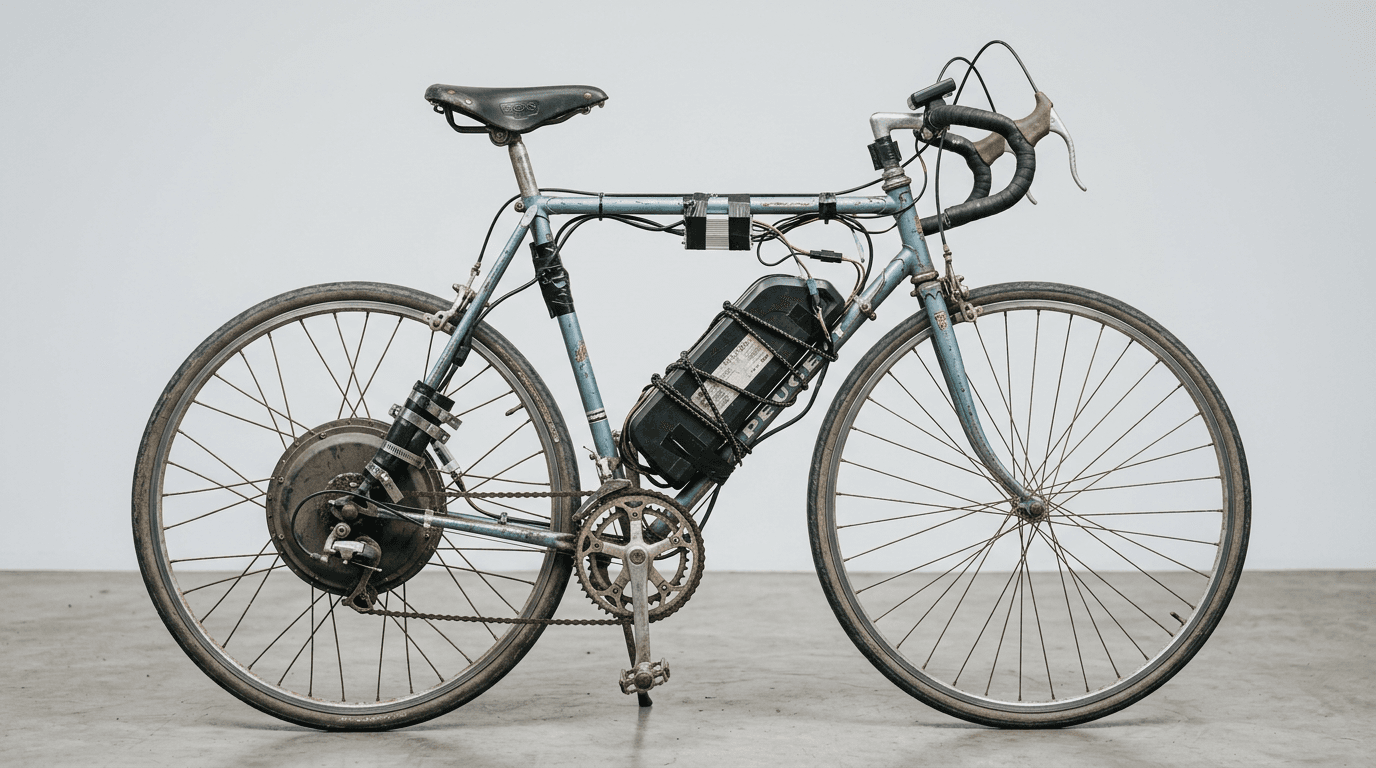
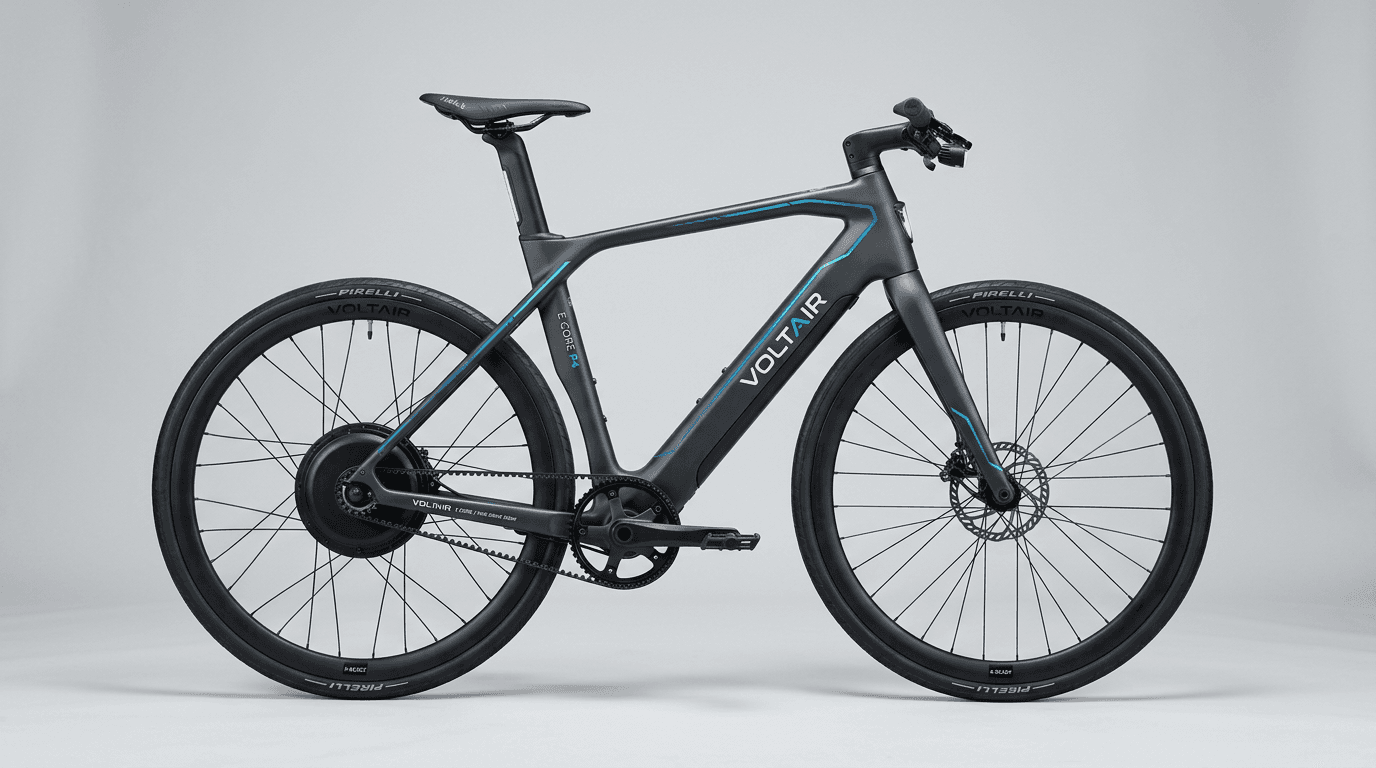
When electrification arrived, some people strapped motors onto old frames. Others designed a new machine from the ground up. The difference isn’t cosmetic — it’s structural.
The Bolted-On Bike
A traditional bike with a motor strapped on after the fact. It technically works — but everything about it fights itself.
The Purpose-Built E-Bike
Designed from the ground up with the motor in mind. Frame, battery, and intelligence are one unified system.
What It Looks Like in Practice
Bolted On vs Built In
The difference between legacy SaaS trying to add AI and a platform built with AI at its core shows up everywhere.
The Race Is Accelerating
Every Week on the Old Bike Is a Week They Pull Ahead.
Business isn’t slowing down. Your competitors are shopping for better bikes right now. The gap between bolt-on and built-in widens with every AI advancement — and those advancements are arriving monthly, not yearly.
Legacy tools can’t close this gap with a feature release. Their frame wasn’t built for this motor. The longer you ride the old bike, the further behind you fall — not because you’re slow, but because the road itself has changed.
six-fold in 18 months
when AI handles the prep
a better meeting
Get Your Team on the Right Bike.
DCE is the bike built for this moment. Not adapted. Not retrofitted. Designed from the ground up so AI and your leadership team ride as one.
Your entire team can be riding better and faster within the week. The race of business is only speeding up from here. The time is now.
No credit card required · Set up in 30 minutes · Better meeting this week